
Trusted Solar EBOS Solutions

Solar IPC Trunk Bus Connectors

Insulation piercing connectors engineered for utility-scale solar. Faster installs, fewer connections, and no wire stripping — built to perform for decades.

View Products
UL 9703 Listed
1/0 through 1000 KcMil
2-Min Install Per Tap

2+ GW

Deployed Capacity

15+

Years in business

UL 9703

Certified & Listed

50%

Less labor than Combiner Boxes

How It Works

From Quote to Energization

01

Share Your Site Plan

Send us your array layout and single-line diagram. We'll review your EBOS requirements and recommend the right connector configuration.

02

Custom Engineering

We design your trunk bus layout, select IPC sizes, and specify harness tap counts to minimize connections across the array.

03

Kitted & Shipped

Connectors, trunk cable, harnesses, and accessories are kitted per your site zones and delivered on your construction schedule.

04

Install & Energize

Each IPC installs in under two minutes with a standard socket wrench. Shear bolts confirm proper torque — no guesswork, no callbacks.

Featured Project

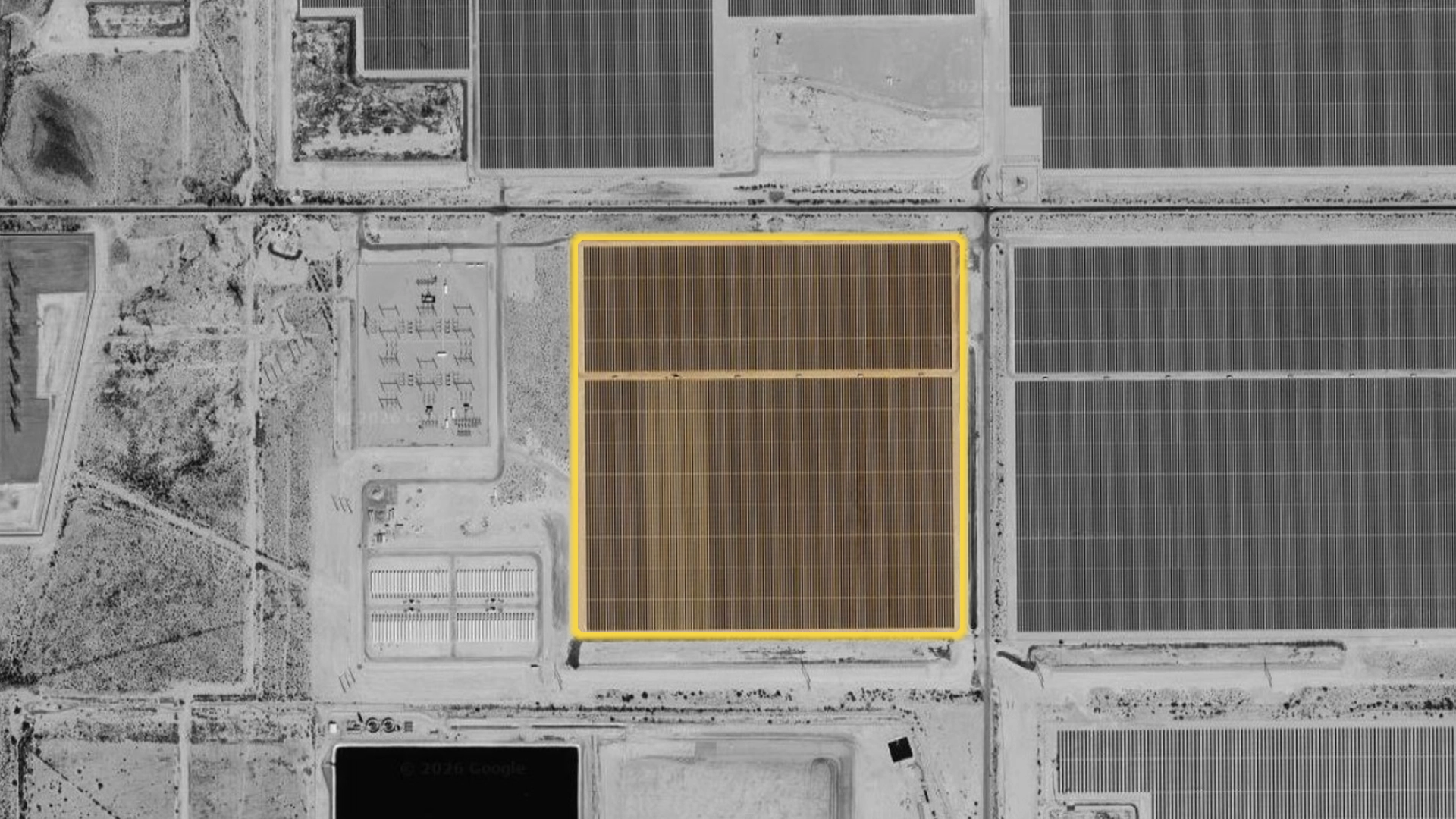
Sun Streams 2 Solar Project 200 MWdc Solar Success

Sun Streams 2 Solar Project is a 200 MWdc utility-scale solar development in Maricopa County, Arizona, associated with Longroad Energy and placed into commercial operation in 2021. This major solar project reflects NPDesign’s focus on practical EBOS solutions, engineering support, and installation-efficient electrical systems built for long-term performance.

200 MW

Capacity

Jan 2021

Installed

Maricopa County, Arizona

Location
View Project

Featured Project

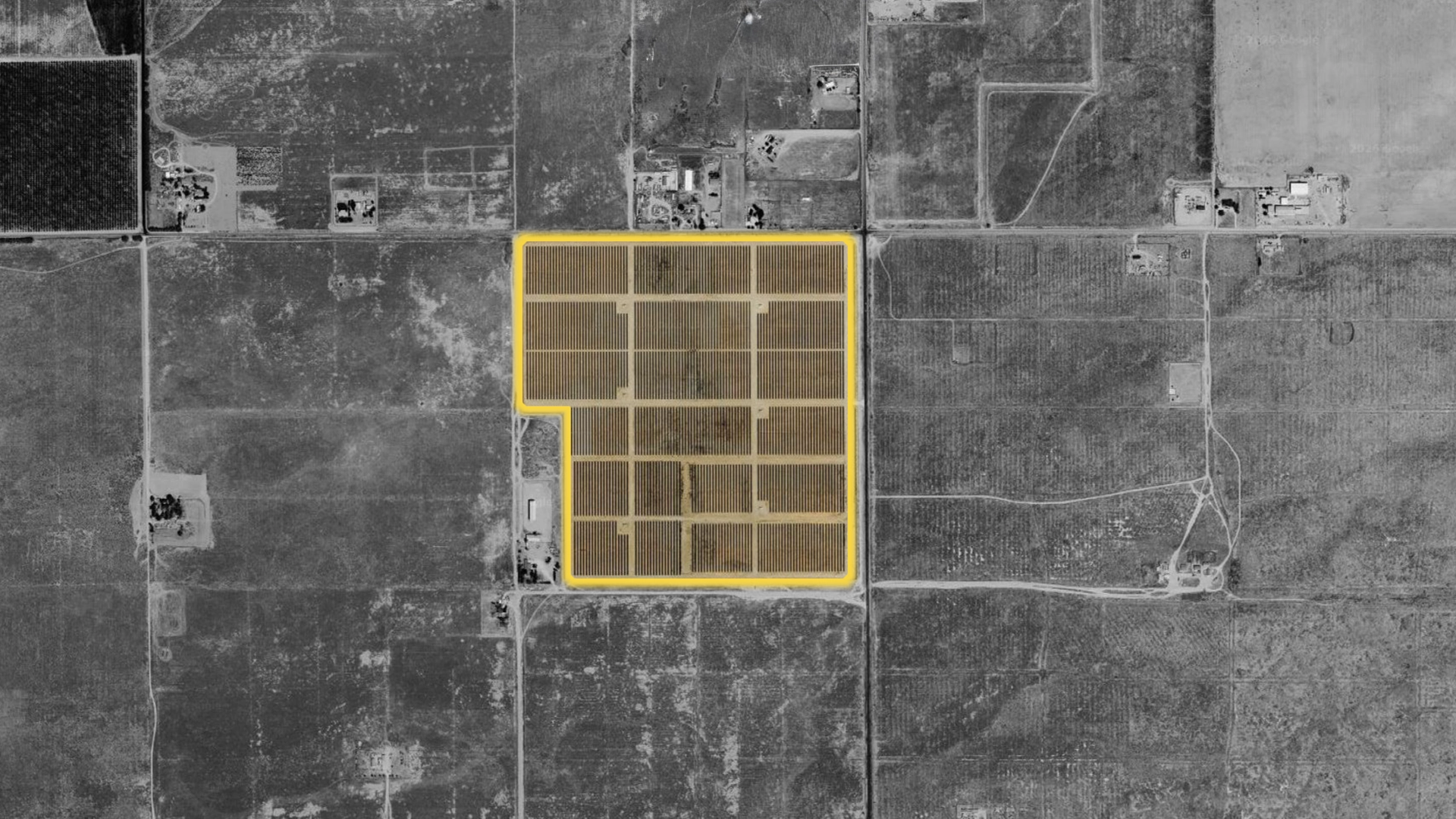
Willow Springs Solar Project 100 MW Solar Success

Willow Springs Solar Project is a 100 MW utility-scale solar development in Kern County, California, associated with D. E. Shaw Renewable Investments (DESRI) and completed in December 2018. This major solar project reflects NPDesign’s focus on practical EBOS solutions, engineering support, and installation-efficient electrical systems built for long-term performance.

100 MW

Capacity

Dec 2018

Installed

Kern County, California

Location
View Project

Featured Project

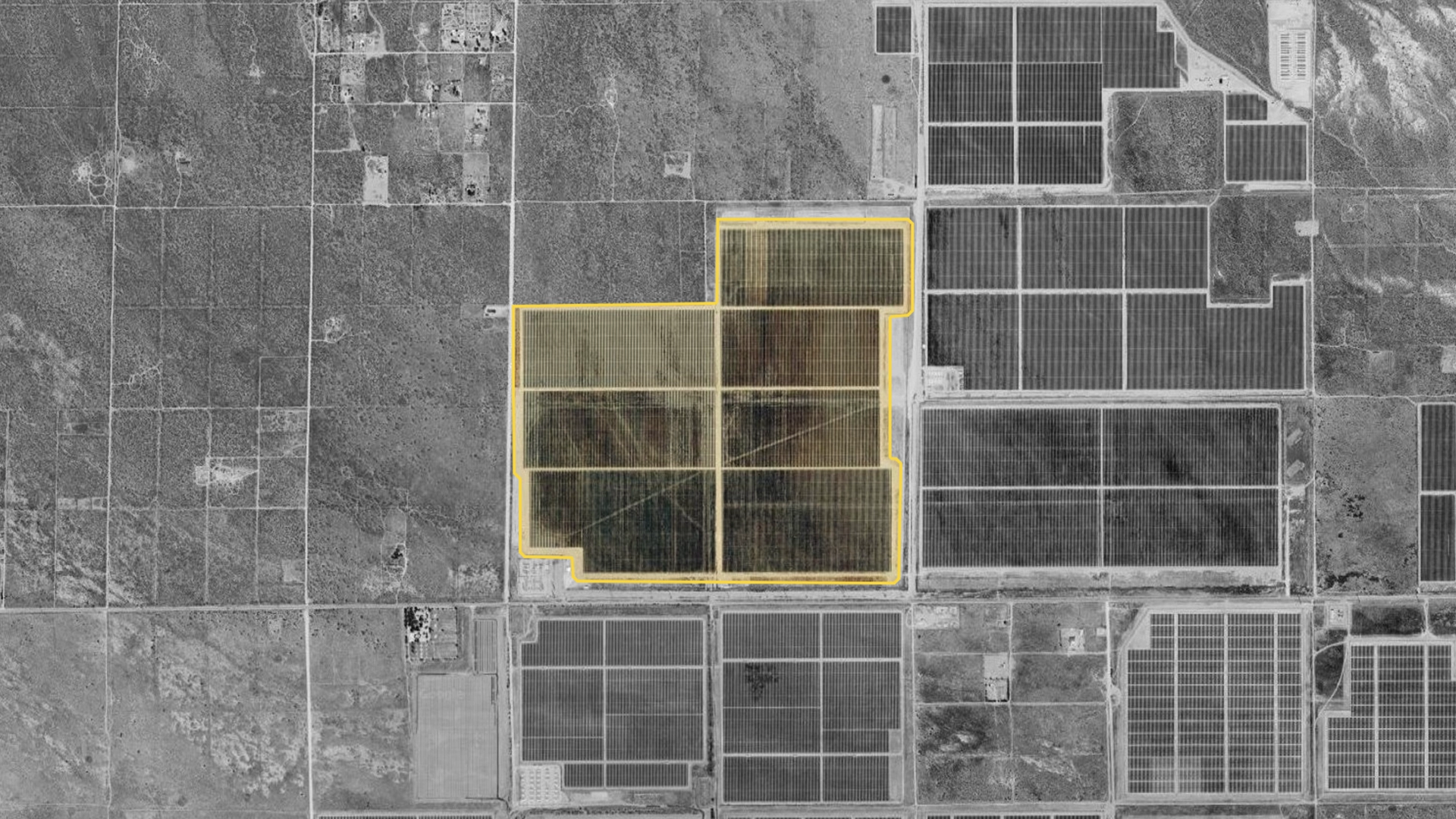
North Rosamond Solar Project 150 MW Solar Success

North Rosamond Solar Project is a 150 MW utility-scale solar development in Kern County, California, associated with Duke Energy Renewables and completed in June 2019. This major solar project reflects NPDesign’s focus on practical EBOS solutions, engineering support, and installation-efficient electrical systems built for long-term performance.

150 MW

Capacity

Jun 2019

Installed

Rosamond, CA

Location
View Project

Common Questions

Frequently asked questions featured across the site.

View All FAQs
How does an IPC trunk bus system replace combiner boxes?
Instead of routing individual string cables to a central combiner box, IPCs connect strings directly to a trunk bus cable that runs along the array. This eliminates combiner box hardware, reduces underground conduit runs, lowers voltage drop, and cuts total connection points dramatically — resulting in less labor, less material, and fewer potential failure points.
Why UL 9703 instead of UL 486?
UL 9703 was developed specifically for wiring harnesses in distributed generation systems. It requires more aggressive testing — including freeze cycles, thermal chamber, wet high-pot, and impact tests — than UL 486, which covers a broader range of general-purpose connectors. It's the highest standard available for solar EBOS connections.
What sizes do your IPCs support?
Our IPC product line covers trunk bus sizes from 1/0 AWG through 1000 KcMil, with tap cable support from #10 AWG up. Available in dual-tap and multi-tap configurations to match your array string count and inverter layout.
What is an insulation piercing connector?
An IPC connects string-level DC wiring to a trunk bus cable by piercing through the cable insulation with tinned copper teeth. This eliminates wire stripping in the field, reduces connection time, and creates a sealed, weather-resistant joint. The result is fewer failure points and faster array commissioning.
What does NPDesign do?

NPDesign engineers and delivers EBOS infrastructure for utility-scale solar projects, with a strong focus on Solar IPC trunk bus systems, connectors, engineering support, and project-specific kitting and logistics.

What is an IPC connector?

An IPC connector is an insulation piercing connector designed to create a field-installed electrical tap connection without requiring wire stripping at the tap point. NPDesign presents IPC connectors as a faster and more efficient solution for solar trunk bus systems.

Do NPDesign IPC connectors require wire stripping?

No. NPDesign IPC connectors are designed to make the connection without stripping the cable insulation first. This helps speed up installation, reduce extra cable prep in the field, and create a more consistent connection process across large solar projects.

How fast do the IPC connectors install?
NPDesign IPC connectors are designed to install in under two minutes per tap. That faster install time helps crews move more efficiently across the array while keeping the process simple and repeatable.
What cable sizes do NPDesign IPC connectors support?

The IPC product line covers trunk bus sizes from 1/0 AWG through 1000 KcMil, with tap cable support starting at #10 AWG depending on the model. This gives project teams options across a wide range of utility-scale solar layouts.

Why use an IPC trunk bus system in solar?
An IPC trunk bus system can reduce connection points, simplify array wiring, and lower field labor compared with more traditional DC wiring layouts. It also helps create a cleaner, more standardized installation process across large solar projects.
How does an IPC trunk bus system replace combiner boxes?
Instead of routing individual string cables back to a central combiner box, IPCs connect strings directly to a trunk bus cable along the array. This can reduce hardware, lower conduit needs, cut total connection points, and help reduce both labor and material costs.
Does NPDesign provide engineering support or only products?

NPDesign provides both products and engineering support. That includes site plan review, single-line review, IPC sizing, array layout support, field guidance, and other services that help customers apply the right EBOS solution to the project.

Does NPDesign offer project-specific kitting?
Yes. NPDesign can kit connectors, trunk cable, harnesses, and accessories by site zone and construction schedule. This helps crews receive materials in a more organized way for the work being done on site.
Why is UL 9703 important?
UL 9703 is a photovoltaic connector standard that supports safety, inspection confidence, and project compliance. Using listed components can also help give developers, EPCs, and contractors more confidence in the connection system being installed.
Why UL 9703 instead of UL 486?

UL 9703 is tailored specifically to photovoltaic and distributed generation wiring applications, with more aggressive testing for solar use conditions. That makes it a stronger fit for solar EBOS connections than a broader general-purpose connector standard.

How does it work to start a project with NPDesign?
The process starts with sharing the site plan and single-line diagram. From there, NPDesign reviews the EBOS requirements, develops the connector and trunk bus approach, and helps move the project toward kitting, delivery, installation, and energization.
How can I contact NPDesign?
Customers can reach out through the contact and quote request options on the site, and NPDesign also lists in**@*********lc.com as a direct contact email.

NPDesign — Industrial EBOS Solutions

Meeting Industrial Needs
Since 2010.

Ready to reduce installation time, lower field labor costs, and deploy with a connector system proven across 2+ GW? Let's talk.

Browse Products